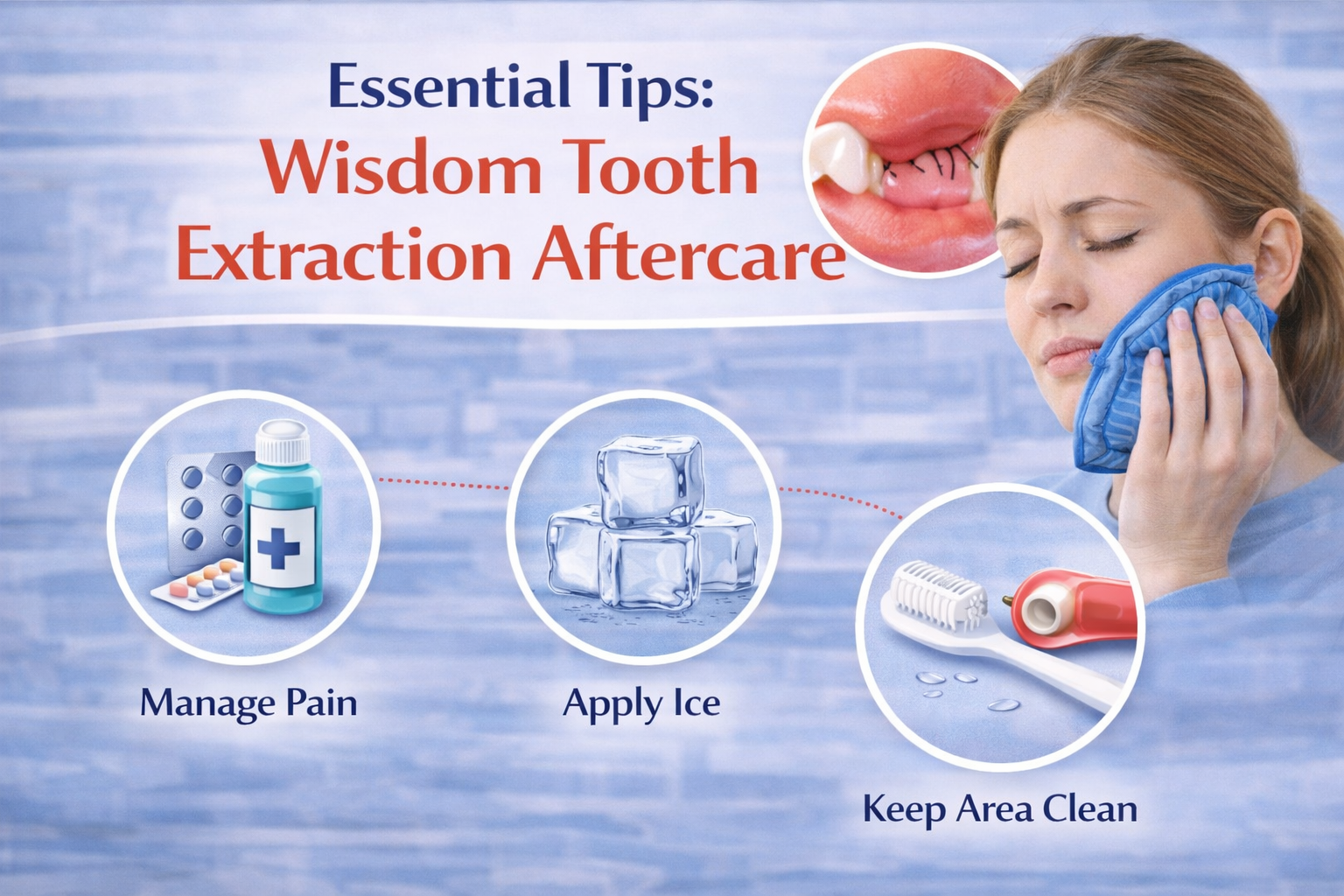
Essential Tips: Wisdom Tooth Extraction Aftercare
Wisdom teeth, also known as third molars, often create dental issues due to misalignment, impaction, or overcrowding. When a wisdom tooth extraction becomes necessary, proper aftercare is crucial to ensure quick recovery, reduce pain, and prevent complications. This guide covers everything you need to know about wisdom tooth extraction aftercare, from immediate post-surgery steps to long-term maintenance.
Why Proper Wisdom Tooth Extraction Aftercare Matters
Neglecting proper aftercare after a wisdom tooth removal can lead to several complications, including:
- Dry socket (alveolar osteitis)
- Prolonged bleeding
- Infection at the extraction site
- Swelling and jaw stiffness
According to the American Association of Oral and Maxillofacial Surgeons (AAOMS), following post-operative care instructions significantly reduces the risk of complications and accelerates healing.
Immediate Aftercare (First 24 Hours)
The first 24 hours are critical for recovery. Here’s what to keep in mind:
1. Controlling Bleeding
After extraction, your dentist will place a gauze pad over the wound. Bite down gently but firmly to control bleeding. Replace gauze as needed, usually every 30–45 minutes. Avoid excessive spitting as it can dislodge the clot and cause dry socket.
2. Pain Management
Pain and discomfort are normal post-surgery. Over-the-counter medications such as ibuprofen or acetaminophen help manage pain. Always follow the recommended dosage.
3. Ice Therapy for Swelling
Apply an ice pack on the cheek for 15–20 minutes intervals during the first 24 hours. This reduces inflammation and swelling.
4. Rest and Positioning
Limit physical activity for the first day. Keeping your head elevated, even while sleeping, helps minimize bleeding and swelling.
Dietary Guidelines for Faster Healing
Eating the right foods can greatly impact recovery. Soft foods are ideal in the first few days after extraction.
Food Category | Examples | Benefits |
Dairy | Yogurt, milk, soft cheese | Provides protein and calcium, soothing |
Soft fruits | Banana, applesauce, avocado | Gentle on the wound, vitamin-rich |
Grains | Oatmeal, soft rice, pasta | Easy to chew, high energy |
Proteins | Scrambled eggs, tofu, mashed beans | Supports tissue repair |
Soups & Broths | Chicken soup, vegetable broth | Hydration & nutrition |
Avoid hard, crunchy, or spicy foods for at least a week. Also, refrain from using straws, as suction can dislodge the blood clot.
Oral Hygiene Tips After Wisdom Tooth Removal
Maintaining oral hygiene is essential but must be done carefully:
- Do not brush the extraction site for the first 24 hours.
- Rinse gently with warm saltwater after 24 hours (½ teaspoon salt in 1 cup water).
- Avoid commercial mouthwashes for a few days unless prescribed by your dentist.
A gentle oral routine prevents infection while preserving the healing clot.
Managing Common Side Effects
Even with proper care, mild side effects are common:
Swelling and Bruising
Swelling typically peaks 48–72 hours after extraction. Warm compresses after the initial 24 hours can help reduce stiffness.
Mild Bleeding
Minor bleeding may continue for 24–48 hours. Bite on gauze pads and stay hydrated to support clot formation.
Limited Jaw Movement
Temporary difficulty in opening the mouth is normal. Gentle stretching exercises after a couple of days can restore mobility.
Signs of Complications
Seek immediate medical attention if you experience:
- Severe pain not relieved by medication
- Persistent or excessive bleeding
- Pus or foul odor from the extraction site
- Fever or chills
Early intervention can prevent long-term issues.
Lifestyle Adjustments During Recovery
- Avoid smoking and alcohol: Both delay healing and increase the risk of infection.
- Limit strenuous activity for a week.
- Stay hydrated: Drink plenty of water to help tissue regeneration.
Long-Term Aftercare
Once initial healing is complete, maintain regular oral hygiene and dental checkups. This ensures no lingering infection and supports gum and bone recovery.
Key Takeaways:
- Proper wisdom tooth extraction aftercare reduces complications.
- Stick to soft foods and avoid straws during the first week.
- Maintain gentle oral hygiene to prevent infection.
- Monitor for warning signs and seek prompt care if needed.
“Prevention is better than cure.” — Desiderius Erasmus
Following proper post-extraction care is a simple yet effective preventive measure to avoid further dental complications.
For professional guidance and surgical options, consult our trusted clinic specializing in WISDOM TOOTH EXTRACTION in Ajman.
FAQs
1. How long does it take to recover from a wisdom tooth extraction?
Recovery usually takes 7–10 days, but full gum and bone healing may take several weeks. Proper wisdom tooth extraction aftercare ensures a smoother recovery.
2. Can I eat solid foods after wisdom tooth removal?
Initially, stick to soft foods and gradually reintroduce solids as comfort allows. Avoid crunchy or spicy foods that can irritate the site.
3. Is swelling normal after wisdom tooth surgery?
Yes, swelling and mild bruising are common for 2–3 days. Cold compresses help during the first 24 hours, followed by gentle warmth.
4. How can I prevent dry socket?
Avoid spitting, smoking, and using straws. Bite gently on gauze pads and maintain a soft diet for the first few days to protect the blood clot.
5. When should I contact my dentist after extraction?
If you experience severe pain, prolonged bleeding, pus, or fever, contact your dentist immediately to prevent complications.