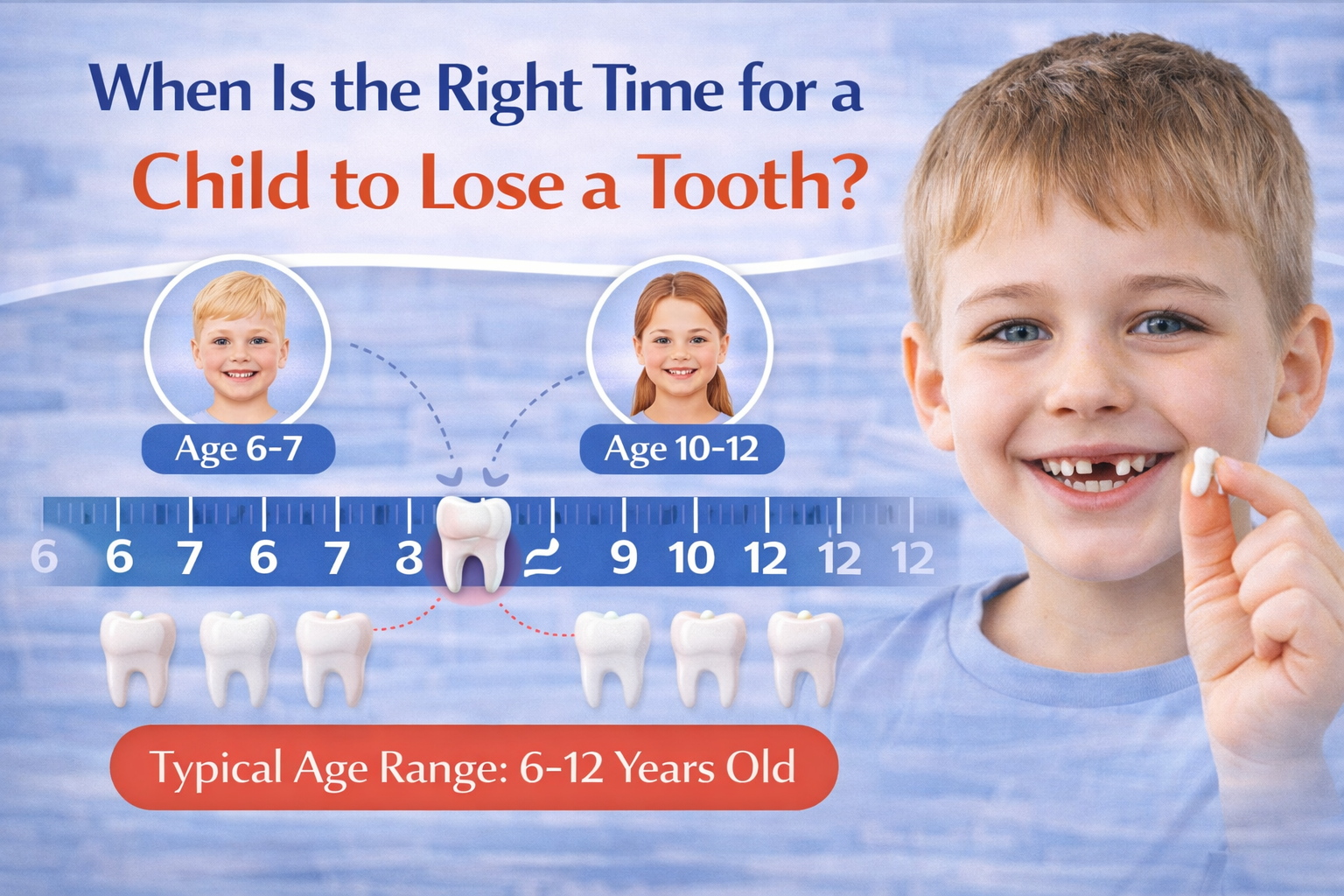
When Is the Right Time for a Child to Lose a Tooth?
Losing baby teeth is a meaningful milestone in every child’s development — marking the transition from early childhood to a growing, confident kid. As a parent in the UAE, you might wonder when do kids lose their teeth, what to expect during the process, and how to support your child through it. In this comprehensive guide, we’ll walk you through everything from timelines and care tips to dental health considerations — helping you feel prepared every step of the way.
Understanding the Basics of Tooth Development
Before diving into when children lose teeth, it’s important to know how tooth development works.
Children are born with 20 primary (baby) teeth hidden under the gums. These teeth begin erupting around six months of age and are eventually replaced by permanent teeth over time.
The timing and sequence of this process varies slightly from child to child, but there’s a predictable pattern most dentists follow.
“The health of primary teeth matters more than many parents realize — baby teeth hold space for permanent teeth and help with speech, nutrition, and self‑esteem.” — American Dental Association
When Do Kids Lose Their Teeth? The Typical Timeline
Most children begin to shed baby teeth around age 6, but the range can vary from age 4 to 8. Knowing when do kids lose their teeth helps parents understand normal progress and reduce anxiety.
Here’s a general breakdown:
Age Range | What Happens |
4–6 years | First baby teeth begin to loosen |
6–7 years | Central incisors fall out (front teeth) |
7–8 years | Lateral incisors fall out |
9–12 years | Canines and molars are replaced |
10–12 years | Second molars fall out |
12–14 years | Most baby teeth have been replaced |
This natural sequence helps permanent teeth erupt in proper alignment and allows the jaw to develop fully.
The Order of Losing Teeth
Most children follow this order:
- Lower central incisors
- Upper central incisors
- Upper lateral incisors
- Lower lateral incisors
- First molars
- Canines
- Second molars
Although this sequence is common, every child is unique — and slight deviations are often normal.
Signs Your Child Is About to Lose a Tooth
Children may show some or all of the following before a tooth falls out:
- Wiggling tooth with tongue or fingers
- Slight bleeding or soreness around the gum
- Looseness lasting a few days
- New permanent tooth visible under the gum
It’s helpful to remind your child that a little looseness is normal — and pulling should only be done when the tooth is ready.
Why Baby Teeth Matter
Although baby teeth are temporary, they play a critical role in oral development:
- Help children chew and digest food
- Allow for correct speech development
- Preserve space for permanent teeth
- Support the structure of the face
If baby teeth are lost prematurely due to decay or injury, it can affect the way permanent teeth erupt — potentially leading to alignment issues later.
Dental Care Tips During the Tooth‑Loss Phase
Even while teeth are falling out, good dental habits matter.
Brushing & Flossing
Children should brush twice daily with fluoride toothpaste and floss as recommended by your dentist.
Balanced Nutrition
Include foods rich in calcium and vitamins — like dairy, leafy greens, and fruits — to support strong teeth and bone health.
Dealing with Soreness
If gums feel tender, a cold compress or saltwater rinse can soothe discomfort.
Checkups with a Dentist
Regular dental visits ensure the transition from baby to permanent teeth is progressing well — and address any concerns before they become problems.
If you feel your child’s tooth development is irregular, consulting a specialist is wise. For expert guidance and care tailored to children, consider Pediatric Dentistry in Ajman — where experienced professionals support families through every stage of oral development.
When to Be Concerned
While the loss of baby teeth is typically a smooth process, certain signs suggest a dental evaluation is needed:
- No teeth lost by age 8
- Teeth unusually loose or painful
- Teeth falling out too early due to decay
- Permanent teeth erupting behind baby teeth
These scenarios don’t always indicate serious issues, but a dental checkup can provide peace of mind and prevent future complications.
Important note: Tooth loss outside the typical age range doesn’t always mean a problem — but it’s worth exploring with your dentist if you have concerns.
Interesting Stats on Kids’ Dental Development
Understanding trends gives helpful perspective for parents:
According to a global pediatric dental health study, about 90% of preschool children have experienced dental decay by age 5 — highlighting the importance of early dental care.
Helping Your Child Cope Emotionally
Losing teeth can stir up a mix of excitement and anxiety in children.
Here are tips to make it a positive experience:
- Celebrate the milestone with praise
- Encourage gentle play with loose teeth
- Read age‑appropriate books about losing teeth
- Consider fun traditions like the Tooth Fairy
A supportive atmosphere helps young children see this as a rite of passage rather than something to fear.
Tips for Parents: Safety & Hygiene
When helping your child with a loose tooth:
- Wash your hands thoroughly
- Encourage gentle wiggling, not force
- Use clean gauze if the tooth is ready to come out
- Apply pressure with a cloth if slight bleeding occurs
If bleeding persists for more than a few minutes, seek dental advice.
Key Takeaways
- Typical age range: Most kids begin losing teeth around age 6, with full transition by early teens.
- Individual variation: Every child’s timeline is unique — minor shifts are normal.
- Devoted dental care: Baby teeth matter for chewing, speech, and guiding permanent teeth.
- Professional support: Regular dental visits ensure a healthy transition and detect any issues early.
- Parent involvement: Emotional support and good hygiene make the process easier for your child.
FAQs
At what age do children typically lose their first tooth?
Most children start losing their first baby tooth around age 6, though some may start as early as 4 or as late as 8 — each child develops at their own pace.
How long does it take for a loose tooth to fall out?
A loose baby tooth may take a few days to a couple of weeks to fall out naturally. It’s best to let it come out on its own to avoid pain or injury.
What should I do if my child’s permanent tooth starts coming in before the baby tooth falls out?
This is not uncommon — sometimes a permanent tooth begins to erupt behind a baby tooth. Encourage your child to wiggle the baby tooth gently. If it doesn’t come out or causes discomfort, consult your dentist.
Is bleeding normal when a tooth falls out?
A small amount of bleeding is normal. You can apply clean gauze and gentle pressure. If bleeding is heavy or persists, contact your dental professional for guidance.
Should I worry if my child hasn’t lost any teeth by age 8?
If your child hasn’t lost any baby teeth by age 8, it’s often worth mentioning during a dental visit. Sometimes dental development is simply slower, but a professional can evaluate if any further action is needed.