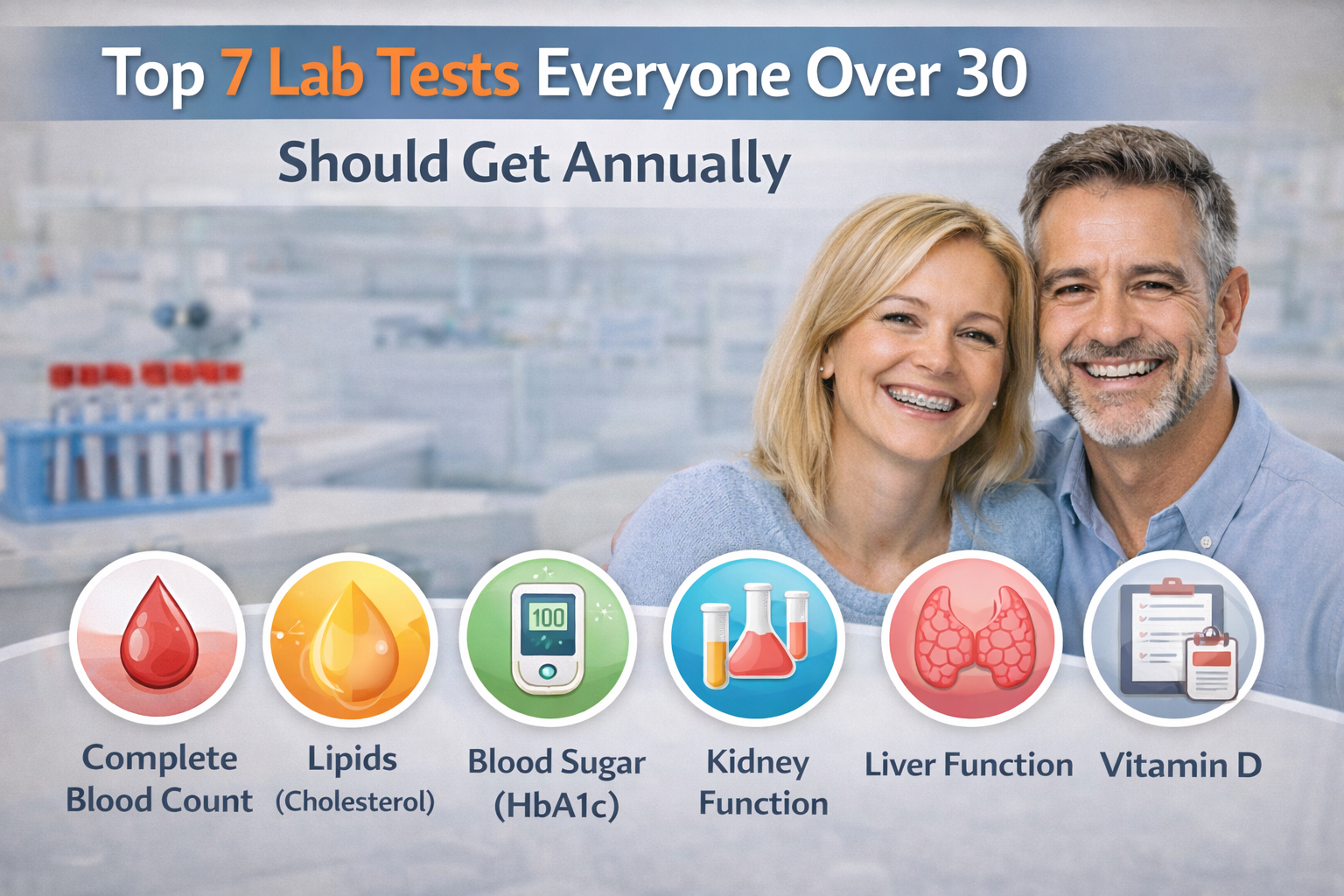
Top 7 Lab Tests Everyone Over 30 Should Get Annually
As you cross the age of 30, your body’s metabolism, hormonal balance, and overall health begin to change. Regular checkups and early detection become critical to living a healthy, balanced life. One of the most proactive ways to take charge of your health is through recommended lab tests after 30, which help detect potential health risks early—before they become serious.
This guide walks you through the seven most crucial tests every adult over 30 should undergo annually.
Why Lab Testing Becomes Crucial After 30
Turning 30 often marks the start of subtle physiological shifts—weight gain becomes easier, energy dips more often, and recovery takes longer. The World Health Organization (WHO) suggests that noncommunicable diseases like diabetes, cardiovascular diseases, and hypertension are on the rise in adults aged 30–50 [Source: WHO NCD Fact Sheet].
Routine tests not only help you stay ahead of illness but also create a baseline that can alert your doctor to any deviation from your normal range in the future.
Top 7 Recommended Lab Tests After 30
1. Complete Blood Count (CBC)
A CBC test offers a snapshot of your overall health by measuring components like red blood cells, white blood cells, hemoglobin, and platelets. It helps detect:
- Anemia
- Infections
- Immune system disorders
Tip: It’s one of the quickest indicators of underlying health issues.
2. Lipid Profile
A lipid panel measures cholesterol and triglyceride levels to assess your risk for cardiovascular diseases.
Test Component | What It Measures | Why It’s Important |
Total Cholesterol | Overall cholesterol | High levels increase heart risk |
HDL (Good Cholesterol) | Protective cholesterol | Higher values are better |
LDL (Bad Cholesterol) | Harmful cholesterol | High levels clog arteries |
Triglycerides | Fat in the blood | Linked to heart and liver diseases |
If you have a family history of heart issues or high BP, this test is highly recommended after 30.
3. Blood Sugar (Fasting and HbA1c)
Even without obvious symptoms, prediabetes can begin silently after 30. Testing fasting blood glucose and HbA1c helps monitor:
- Blood sugar regulation
- Diabetes or prediabetes risk
- Lifestyle impact on glucose levels
According to the International Diabetes Federation, the UAE has one of the highest diabetes rates globally, with nearly 1 in 5 adults living with diabetes. Early detection is key.
Source: IDF Middle East Data
4. Liver Function Test (LFT)
Your liver metabolizes medications, alcohol, and processes nutrients. A Liver Function Test checks enzymes like ALT, AST, and bilirubin to detect:
- Fatty liver
- Hepatitis
- Alcohol-induced damage
Especially important if you consume alcohol, have a high-fat diet, or take medications regularly.
5. Kidney Function Test (KFT)
KFT measures urea, creatinine, and electrolytes to evaluate your kidney’s health. It’s essential because chronic kidney disease often develops without noticeable symptoms.
For residents looking for deeper diagnostics, our Advanced Blood Tests Ajman cover detailed renal panels and more.
6. Thyroid Profile (TSH, T3, T4)
Hormonal imbalances, particularly thyroid disorders, are common post-30—especially in women. Symptoms may include:
- Weight gain/loss
- Fatigue
- Mood swings
- Hair thinning
Routine testing helps manage early signs of hypothyroidism or hyperthyroidism effectively.
7. Vitamin D & B12 Screening
Living in the UAE often means indoor work hours and sun avoidance, which leads to deficiencies in Vitamin D—a critical nutrient for bone, immune, and mood health.
Vitamin B12 is crucial for brain function and red blood cell production. Deficiencies can cause:
- Brain fog
- Fatigue
- Tingling in hands or feet
A simple test can guide dietary or supplement changes.
Key Takeaways
- Preventive health is smarter (and cheaper) than reactive treatment.
- After 30, schedule an annual checkup with a panel of recommended lab tests after 30.
- Knowing your numbers helps you and your physician plan a healthier lifestyle or early intervention.
- Always consult a certified physician for personalized advice based on test results.
FAQs
1. What is the most important lab test after 30?
There isn’t one single test. However, a combination including CBC, lipid profile, blood sugar, and thyroid test offers a holistic view of your health.
2. How often should I get these tests done?
Most of the recommended lab tests after 30 should be done annually unless advised otherwise by your physician based on health conditions or family history.
3. Can I get all these tests done in one visit?
Yes! Many healthcare clinics like Amtek Medical offer bundled health checkups that include all essential screenings.
4. What if my test results are slightly out of range?
Slight variations might not be dangerous, but consistent abnormalities should be discussed with a healthcare provider to identify underlying causes.
5. Is fasting required for these tests?
Fasting is usually needed for tests like lipid profiles and fasting glucose. Your provider will inform you which tests require fasting and for how long.
Stay informed. Stay proactive.
Your health after 30 is in your hands get tested annually and consult professionals regularly. If you’re in Ajman or nearby, Amtek Medical offers convenient walk-ins and reliable diagnostics.