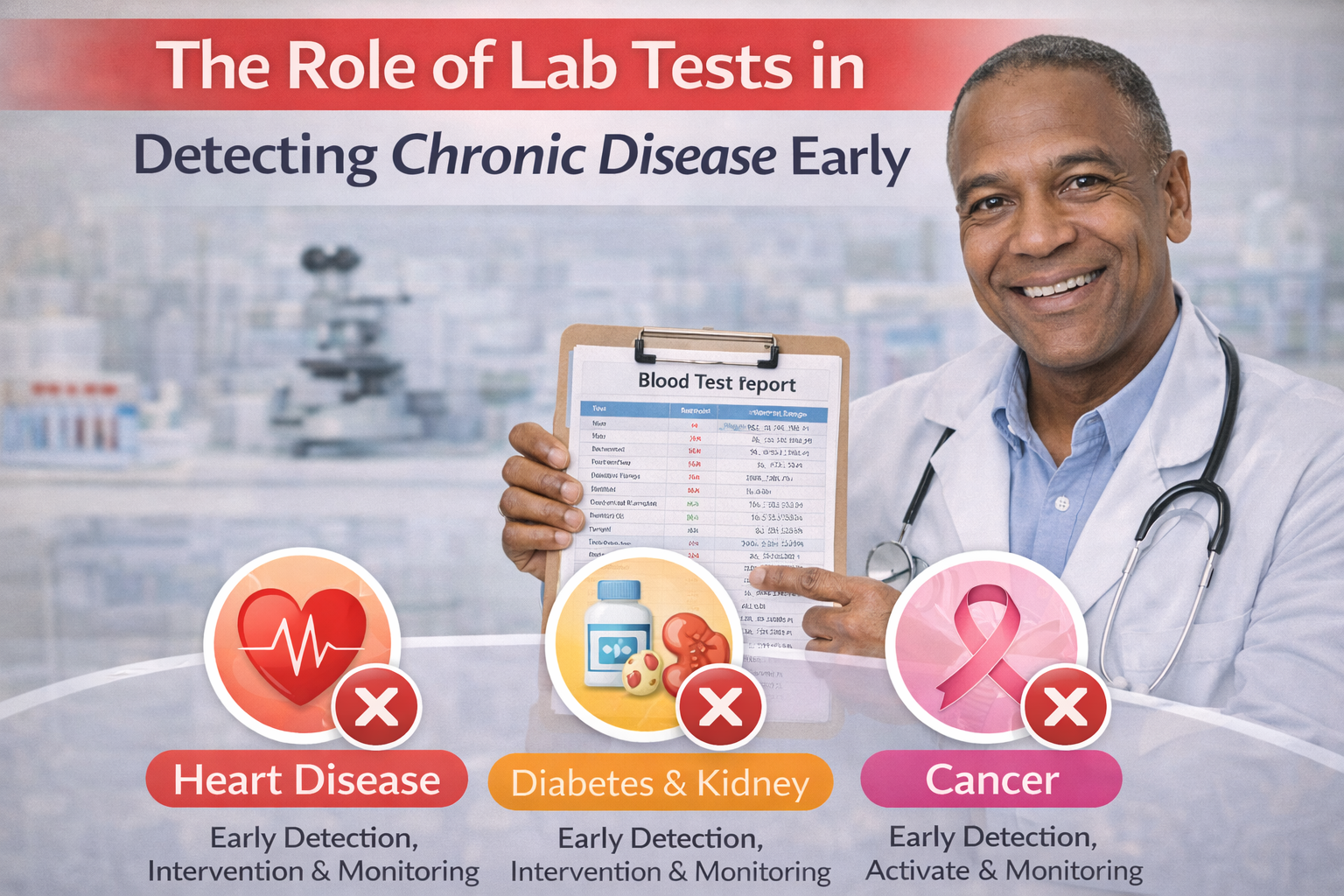
The Role of Lab Tests in Detecting Chronic Disease Early
In the fast-paced lifestyle of the UAE, chronic diseases such as diabetes, hypertension, and cardiovascular conditions are on the rise. One of the most effective ways to combat these illnesses is through early diagnosis—and that’s where lab tests for chronic disease detection play a crucial role.
These diagnostic tools not only identify hidden health problems but also provide actionable data that helps in monitoring and managing conditions before they become life-threatening.
Why Early Detection Matters
Early detection through regular lab testing can make a significant difference in how chronic illnesses are treated. According to the World Health Organization (WHO), early diagnosis significantly increases the chance of successful treatment and reduces overall healthcare costs.
“Early diagnosis and treatment can improve survival rates by up to 90% for certain chronic illnesses.” — World Health Organization
Source: WHO
Common Chronic Diseases in the UAE
Understanding which conditions are most prevalent can help individuals take proactive steps. Below is a list of common chronic diseases frequently detected via laboratory tests:
Chronic Disease | Lab Tests Used | Why It Matters |
Diabetes | Fasting Glucose, HbA1c | Identifies early insulin resistance |
Hypertension | Kidney function tests, lipid profile | Detects impact on organs |
Heart Disease | Lipid Profile, CRP, Troponin | Monitors risk factors and heart function |
Kidney Disease | Creatinine, BUN, Urinalysis | Detects early renal damage |
Liver Disease | LFTs (ALT, AST, Bilirubin) | Indicates liver function |
Thyroid Disorders | TSH, T3, T4 | Manages metabolism-related complications |
Types of Lab Tests for Chronic Disease Detection
1. Blood Tests
Blood tests are fundamental for diagnosing a wide range of chronic conditions. They help detect abnormalities in glucose, cholesterol, electrolytes, liver enzymes, and more.
2. Urinalysis
Used to detect kidney disorders, urinary tract infections, and signs of diabetes. It’s often the first step in identifying underlying issues.
3. Lipid Profile
This test measures cholesterol and triglyceride levels, helping to assess cardiovascular risk—one of the major causes of death globally.
4. Thyroid Function Tests
Hormonal imbalances can go undetected for years. Regular thyroid screening helps in managing weight gain, fatigue, and mood changes.
Benefits of Regular Lab Testing
- Early Diagnosis: Detects diseases before symptoms appear.
- Monitoring Existing Conditions: Helps doctors adjust medication and treatment.
- Prevention: Identifies risk factors and enables lifestyle changes.
- Peace of Mind: Offers reassurance with normal results or early action for abnormalities.
Risk Groups That Should Prioritize Testing
Chronic diseases don’t discriminate, but certain individuals should be especially vigilant:
- People over 30 years of age
- Individuals with a family history of chronic illness
- Patients with obesity or a sedentary lifestyle
- Smokers and heavy alcohol consumers
- Those under constant stress
According to the International Diabetes Federation, nearly 1 in 5 adults in the UAE has diabetes or pre-diabetes—many remain undiagnosed.
Source: IDF Diabetes Atlas
The Role of General Physicians in Chronic Disease Management
A General physician for chronic conditions in Ajman plays a vital role in guiding patients through diagnosis, treatment, and lifestyle management. With access to timely lab results, physicians can provide a holistic approach to patient care.
At Amtek Medical, our experienced general practitioners work closely with diagnostic labs to ensure you get accurate and timely results, along with a custom care plan tailored to your needs.
Key Takeaways
- Lab tests for chronic disease detection are essential in identifying conditions like diabetes, heart disease, and thyroid disorders early.
- Early intervention can dramatically improve long-term outcomes and quality of life.
- Regular checkups, especially for high-risk individuals, are crucial.
- Partnering with experienced healthcare providers ensures accurate diagnosis and proactive care.
FAQs
1. What are the most important lab tests for detecting chronic disease?
Common lab tests include blood sugar levels (HbA1c), lipid profiles, liver and kidney function tests, and thyroid hormone levels. These help identify most chronic conditions early.
2. How often should I get lab tests for chronic disease detection?
It depends on your risk factors. Generally, adults over 30 should consider annual testing, especially if they have a family history of chronic conditions.
3. Can I get same-day lab test results in the UAE?
Yes, many facilities offer same-day blood test results in Ajman and nearby cities. Early results help in quicker diagnosis and treatment.
4. Do lab tests alone confirm chronic diseases?
Not always. Lab tests provide indicators that doctors use along with physical exams, medical history, and imaging to confirm a diagnosis.
5. Is lab testing covered by insurance in the UAE?
Many insurance plans do cover chronic disease testing, but it’s important to check with your provider. Some facilities also offer affordable packages for self-pay patients.